
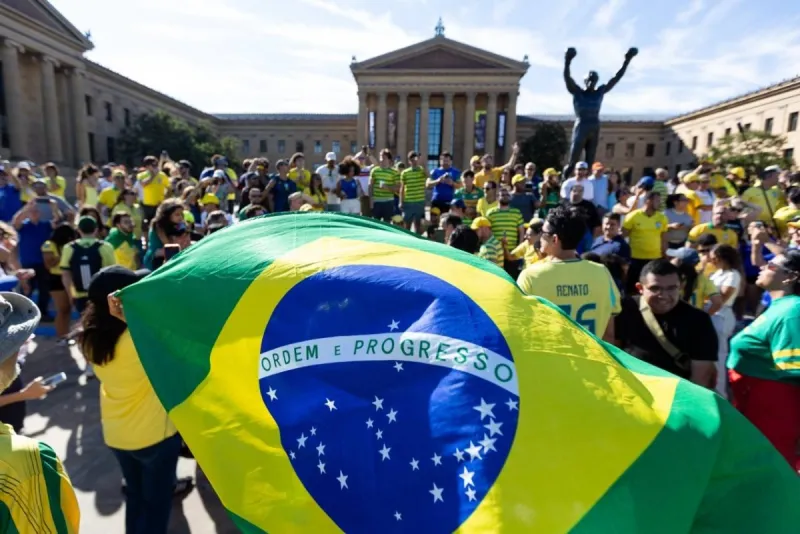
As the group-stage matches near their end, the shocking scenes of near-empty stands and vacant seats at several 2026 FIFA World Cup venues — most notably at matches involving Mexico and Canada — have sparked a wave of fierce criticism and analysis in the American, Mexican and Canadian press. These visual voids inside the stadiums coincided with enormous crowds thronging the streets, stadium perimeters and fan zones outside, unable to gain entry, shining a harsh light on a severe crisis caused by FIFA's own ticketing and organisational regulations.
American and Canadian newspapers, led by The Athletic and the Independent, focused on the "dynamic variable pricing" system FIFA adopted for this edition, modelled on practices used in major American sports leagues. The international federation kept minimum ticket prices extremely high without reducing them as match kick-offs approached to fill empty seats, with some group-stage tickets surpassing the $1,000 mark and reaching approximately $2,000 on the official website in the final hours — a prohibitive financial barrier for local fans who chose to remain outside.
Mexican and Canadian press reports, meanwhile, exposed another problem: corporate seat monopolisation and resale touting. FIFA allocated large blocks of tickets to sponsorship companies and luxury hospitality packages, portions of which went unused, while resale companies bought up vast quantities they subsequently failed to offload at their astronomical prices before kick-off, leaving those seats technically empty despite thousands of genuine supporters who had travelled to follow their national teams and camped outside the gates, unable to match those extortionate prices.
In an attempt to absorb the media backlash, FIFA issued an official statement defending what it described as record attendance figures, attributing the conspicuous empty seats seen on television screens to its digital regulations, which count tickets scanned electronically at the outer gates of the entire stadium complex rather than actual seats occupied. It also claimed that thousands of supporters prefer to remain in internal concourses, entertainment areas and restaurants within the stadium precinct rather than sitting in their seats — a justification that media outlets met with ridicule, dismissing it as a flimsy excuse to cover up the failure of the pricing strategy.
Journalistic analyses also condemned the extreme rigidity of FIFA's regulations, which prohibit any flexible last-minute sales or immediate price reductions at the gates for fear of collapsing the future market value of tickets, as well as its strict rules barring re-entry into fan zones, forcing crowds to remain outside. The press in all three host countries concluded that FIFA's greed and its attempt to maximise profits by imposing fantastical prices suited only to corporations and the wealthy elite created this distorted visual paradox: empty stadiums inside and vast, pulsating football festivals outside — simultaneously alive with the spirit of the game and shut out from it.