
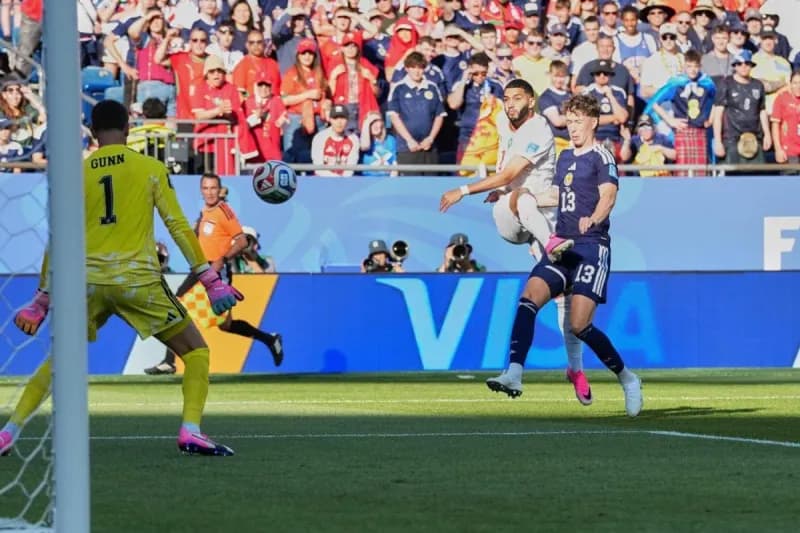
The Moroccan national team responded to their victory over Scotland and their imminent qualification for the round of 16 at the 2026 World Cup with notable composure, treating it as a natural step within an ambition far greater than winning a single match or advancing from the group stage — an ambition that looks toward the title itself.
The Atlas Lions surprised the world after their draw with Brazil in the first matchday, a game in which they performed impressively and dominated for long stretches, by refraining from excessive celebration — even though taking a point against one of the tournament's top contenders would by any measure be considered a positive result. The players' reactions were measured and calm.
The same scene repeated itself against Scotland in the second matchday in the early hours of today, as Morocco secured a precious 1-0 victory that brought their tally to 4 points ahead of the third matchday, moving them close to reaching the round of 16. Yet reactions after the final whistle remained quiet and disciplined, with no excessive displays of celebration — a scene that reflected enormous confidence within the squad and an awareness that the mission is not over and that what lies ahead is harder.
Although the opposing team — appearing in their 9th World Cup — pressed in the second half and showed clear attacking intent, Morocco maintained their trademark balance and handled the periods of pressure with confidence and experience, without their identity or rhythm within the match being affected. Even after the final whistle, they treated the win as an expected result more than a hard-fought prize secured against a difficult opponent.
Standing out in this picture is the calm presence of the young players, chief among them Ayoub Bouaddi, the tournament's youngest player, who is delivering mature performances in his first appearance at this level — as though he possesses years of international experience — a reflection of the confidence the Atlas Lions carry as a group.
All of this indicates that the Moroccan national team does not view progressing from the group stage as an end in itself, but rather as a waypoint they have long been confident of passing — even before the tournament began. The team that reached the semi-finals at the previous World Cup appears today more assured and composed, advancing steadily with each match, combining technical quality with mental discipline.
What Morocco are producing under coach Mohammed Wahbi confirms that their ambition in this edition exceeds what they achieved at the previous World Cup, and that they possess the confidence, the ability, and the moral support to make them one of the most capable teams of going deep in the tournament — despite fierce competition and the presence of many major sides that await them in the rounds ahead.