
The opening days of the FIFA World Cup 2026 were met with a wave of mockery and international media criticism directed at Fox Sports, the official broadcaster of the tournament in the United States.
The criticism centred on repeated linguistic stumbles and the considerable difficulty faced by the network's commentary and analysis teams in pronouncing the names of participating national teams and their coaches. Prominent global media outlets, led by the British newspaper The Guardian, described the errors as a professional lapse unworthy of television coverage of the world's biggest football event — particularly given that the tournament is being held on American soil.
Digital viewing platforms and social media channels quickly became arenas for cataloguing the comical and embarrassing mistakes, as American commentators and analysts found themselves in a genuine linguistic bind when attempting to read Latin and European names.
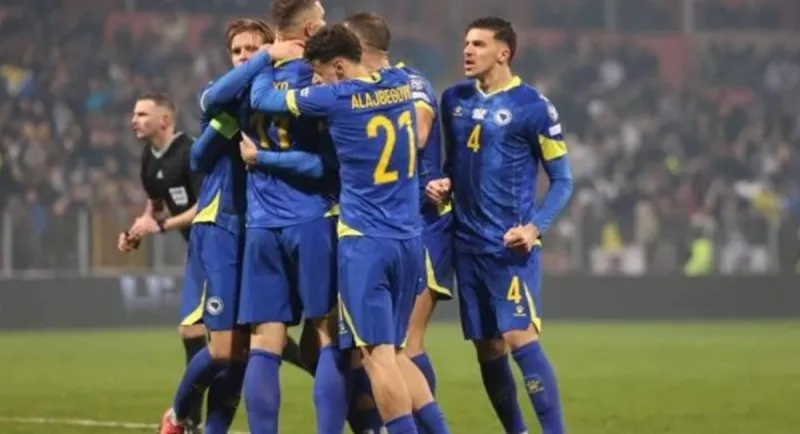
Among the most notable blunders was the broadcast teams' complete inability to correctly pronounce the name of the Bosnia and Herzegovina national team, with the final word mangled in a way that drew widespread ridicule from viewers. Meanwhile, Paraguay became a fractured and strange-sounding "Para-guay" on their tongues. Even top coaches were not spared: Argentine Mauricio Pochettino, manager of the United States national team itself, had his name publicly distorted by one analyst, who referred to him as "Ponchettino."
The criticism went beyond mockery of on-air errors to open a deeper debate about the readiness of American sports media — and its football culture — to accommodate the cultural and geographic diversity demanded by a tournament featuring 48 national teams from every continent.
Sports critics argued that the weakness in mastering international names reflects a clear gap in the professional preparation for an event that has been planned for years. They noted that attempts to "Americanise" football terminology, or to treat the names of countries and sporting figures as trivial, diminish the quality of the broadcast and place the rights-holding network in an embarrassing position before the millions of viewers who expect full professionalism from World Cup broadcasters.