
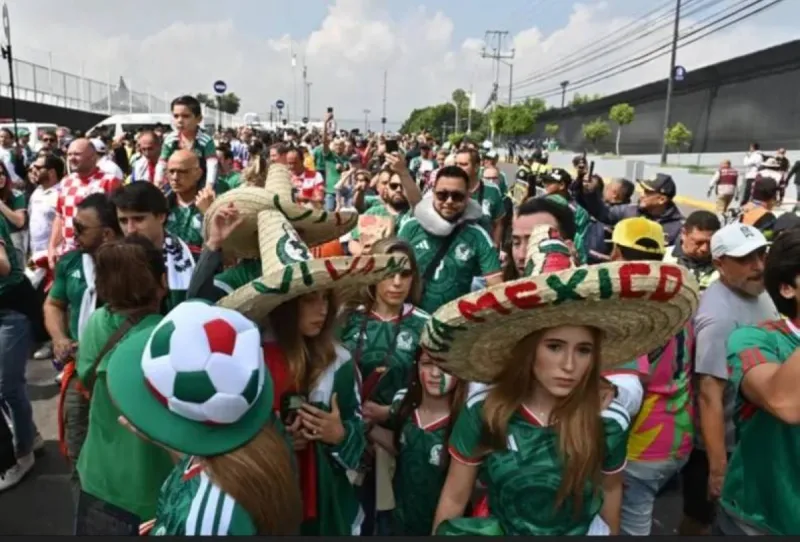
Football supporters streaming into stadiums across the United States, Canada and Mexico have encountered what has been described as a unique "navigational identity crisis" since the opening of the 2026 World Cup. Millions were surprised to find the commercial names of some of the world's most famous stadiums — including MetLife, SoFi and Lumen Field — absent from official match schedules and directional signage, replaced instead by neutral alternatives such as New York New Jersey Stadium, Los Angeles Stadium and Seattle Stadium.
This sweeping change comes in compliance with the strict marketing rules imposed by FIFA under its "clean venue" policy, which prohibits all promotion of companies that are not official FIFA sponsors throughout the tournament. Organising committees were required to carry out extensive blackout operations, covering giant neon signs and commercial logos affixed to stadium rooftops and facades with specially designed wraps, while a total ban was imposed preventing in-house commentators and announcers from uttering the original names of the venues.
These stringent measures triggered a wave of mixed and sardonic reactions among fans on social media platforms and outside the stadiums. Some supporters expressed confusion while attempting to reach venues via mapping applications that continue to use the commercial names, while others mocked the spectacle of "giant covers" concealing the stadiums' well-known features, arguing that stripping stadiums of names tied to their sporting identity for years represents an excess of commercial capitalism on FIFA's part at the expense of the local sporting culture of the host nations.
In contrast, another section of supporters defended the move, arguing that the sport must remain shielded from individual advertising monopolies and that standardising names gives the World Cup a national and international character focused on the host cities rather than the corporations that own the naming rights.
For their part, US authorities and the local organising committee moved quickly to contain the controversy, stressing that these arrangements had been known and agreed upon since the joint hosting bid was submitted. They clarified that executive bodies in the host cities had coordinated with transport providers and digital navigation companies to facilitate fan access by linking the new names to precise geographical locations in order to avoid any confusion on the ground.
In the same context, FIFA confirmed that the "clean venue" policy is a fundamental pillar for protecting the exclusive rights of global sponsor companies that pour enormous investment into delivering the largest sporting event in history. It noted that implementation of this protocol in previous editions had proven successful in preserving the World Cup's unified visual identity, and that the temporary renaming of venues does not diminish the historical or architectural value of these exceptional stadiums, which are now witnessing unprecedented levels of organisation and execution.