
Dubai has cemented its position as one of the world's foremost capitals of the sports economy, leveraging a comprehensive strategic vision that has transformed sport into a vital economic sector — one that contributes in a growing measure to gross domestic product, supports sustainable development targets, and enhances the emirate's appeal for investment, tourism, and business.
The achievements Dubai has recorded in recent years reflect its success in deploying sport as a tool for economic development, through attracting and hosting major international tournaments and events, developing advanced sports infrastructure, and building an integrated ecosystem that combines investment, tourism, technology, and sports media.
Under the Dubai Sports Plan 2033, the emirate aims to raise the sports sector's contribution to GDP from AED 10.17 billion per year to AED 18.3 billion by 2033 — an increase of approximately 80% compared with current levels.
The plan also seeks to increase attendance at major sporting events from 1.67 million people annually to more than 4.1 million, alongside raising the number of major sporting events by up to 250% over the coming years.
With the launch of the Dubai Economic Agenda D33, the sports sector has emerged as one of the promising sectors within the new economy ecosystem, driven by the accelerating growth of sports tourism markets, broadcast rights, commercial sponsorship, sports content production, and sport-linked digital economy.
Dubai annually hosts more than 400 local and international sporting events across various sports disciplines, in addition to approximately 100 training camps for clubs and national teams from around the world. This reflects the emirate's capacity to attract major events and convert them into a sustainable economic driver supporting the hospitality, tourism, aviation, retail, and services sectors.
The Dubai Duty Free Tennis Championships stands at the forefront of these events, having succeeded over many years in attracting an elite field of global tennis stars and commanding wide media coverage at both regional and international levels, contributing to the reinforcement of Dubai's image as a world-class sporting destination.
Salah Tahlak, Director of the Dubai Duty Free Tennis Championships, affirmed that the tournament's continued success reflects Dubai's leading position in hosting major sporting events, noting that international tournaments have become an influential platform for supporting the economy and tourism and promoting the emirate globally, as well as enhancing its appeal for sports investment and partnerships.
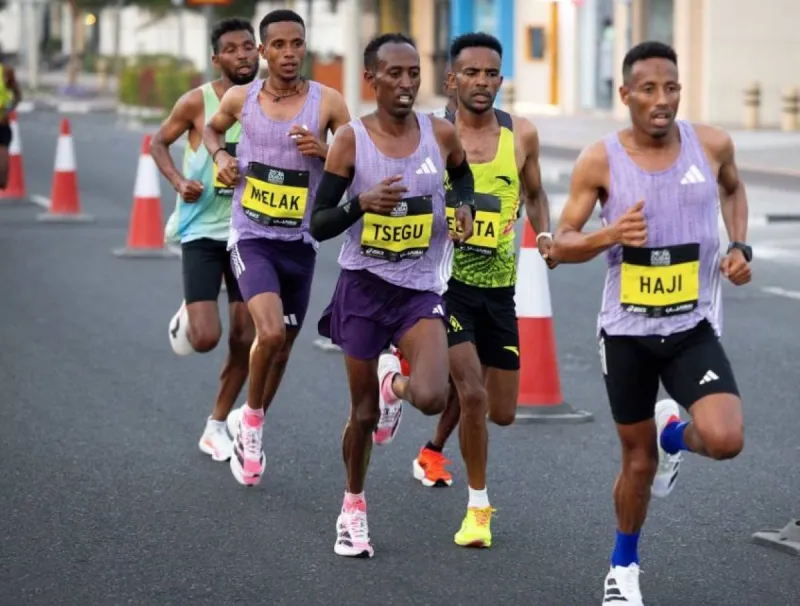
For its part, the Dubai Marathon has maintained its standing among the world's most renowned marathon races, attracting thousands of runners of various nationalities every year in an event that has a direct impact on the hospitality, hotel, aviation, and retail sectors.
Adviser Ahmed Al Kamali, General Coordinator of the Dubai International Marathon, said that sport represents an important economic driver in the emirate, given the tourism, investment, and media returns that global sporting events generate. He confirmed that the Dubai Marathon is a successful model of the growing economic role of major sporting events.
Recent years have also seen an expansion in hosting diverse international championships, including international golf tournaments, global mixed martial arts tours, and international cricket championships, alongside major events in running, cycling, and water sports — contributing to diversifying the target audience base and enhancing economic returns.
In the context of attracting sports with wide popular appeal, the launch of the Dubai Basketball project and the team's participation in the European ABA League represented a new strategic step that reinforces the emirate's status as a regional and global hub for sports investment.
Dubai has also emerged in recent times as a primary destination for esports, one of the fastest-growing sports sectors in the world, given the investment opportunities it offers linked to the digital economy, content production, and youth engagement.
In this context, Ahmed Al Khaja, Chief Executive Officer of Dubai Festivals and Retail Establishment, affirmed that events such as the Dubai Games and Digital Sports Festival reflect the rapid evolution of this sector and its growing role within Dubai's creative economy ecosystem, through attracting participants and visitors of all ages and interests.
In football, Dubai has become a preferred destination for the winter training camps of clubs and national teams worldwide, benefiting from its advanced infrastructure and sports and hospitality facilities, generating direct and indirect economic returns across numerous sectors linked to sporting and tourism activities.
Dubai continues to strengthen its intellectual and investment standing through hosting the Dubai International Sports Conference, which has become a global platform bringing together decision-makers, experts, and stars to discuss the future of the sports industry, sports investment development, innovation, technology, and artificial intelligence in sport.
Major sporting events contribute to reinforcing Dubai's soft power globally, through the broad media exposure they generate for the emirate's tourist landmarks, sports venues, and accompanying events across international channels and digital platforms — reaching hundreds of millions of followers around the world.