Medicine is considered one of the noblest and most elevated of human professions, dedicated as it is to alleviating the pain and suffering of people. Studying medicine demands patience, endurance, and dedication over no fewer than seven consecutive years, followed by further years of training in renowned hospitals.
And perhaps many more years still for those who wish to specialise in one of the many different branches of medicine, such as paediatrics, obstetrics and gynaecology, cardiology, neurology, dermatology, gastroenterology, reproductive medicine, respiratory medicine, ear, nose and throat, ophthalmology, oral and dental medicine, or anatomical pathology, among others.
Because of the difficulty of medical study and its many years, those who enrol in medical colleges are typically high achievers and top students in secondary school, people of great perseverance and a passion for the sciences.
In my view, paediatrics is among the most challenging specialisations, as it requires dealing with infants and young children who lack the ability to identify and articulate their pains and ailments. This in turn demands that the treating physician possess special talents and qualities in how to engage with them, earn their trust, and dispel their fears — to say nothing of how to win the confidence of their mothers and guide them towards the correct methods and graduated approaches to treatment.
On another level, paediatric specialisation requires the study of the psychological, cognitive, and physical development of the growing child, and may encompass the treatment of various illnesses and disabilities specific to children.
It also encompasses providing all forms of medical and health care, whether for newborns, children in early childhood, or adolescents. It should be noted that a paediatrician may be required to specialise in one or more fields related to the treatment of children, such as: paediatric allergy and immunology, developmental and behavioural paediatrics, paediatric oncology, paediatric endocrinology, paediatric emergency medicine, neonatology, child abuse medicine, adolescent medicine, and others.
Bahrain has been fortunate in that education began there early, well ahead of neighbouring countries by many years. The first formal school for boys opened in Muharraq in 1919 under the name Al Hidaya Al Khalifiya School, and the first formal school for girls was also established in Muharraq in 1928 under the name Khadija Al Kubra School — both during the reign of Sheikh Issa bin Ali Al Khalifa, may God have mercy on his soul, which lasted from 1869 to 1932. This enabled the early graduation of cohorts of students holding general secondary certificates who went on to pursue university education abroad in various scientific and literary disciplines.
Bahrain has also been fortunate in that its rulers, from that early period onwards, placed great importance on modern learning and advanced specialisations, as evidenced by the dispatch of study missions abroad to the most prestigious and celebrated centres of knowledge. The proof of this is that the first Bahraini educational mission, in 1928, was destined for the American University of Beirut.
It is also worth noting here that Bahrain paid similar or even greater attention to citizens' health from the late nineteenth century and the early twentieth century, at a time when many other countries had no hospitals or health centres, were unfamiliar with medical care, and treated epidemics and serious diseases with folk medicine and faith healing.
Bahrain saw the establishment of its first quarantine station in 1889, to limit the spread of contagious epidemics, and the opening of the first clinic in Manama in 1892. This was followed in 1903 by the opening of the first modern hospital in Bahrain and the entire Gulf region, under the name Mason Memorial Hospital, and then the opening of Victoria Memorial Hospital in 1906.
This culminated in the inauguration of Salmaniya Hospital in 1957. There is no doubt that all of this paved the way for Bahrainis returning from years of medical study abroad to work and contribute to the country's health renaissance.
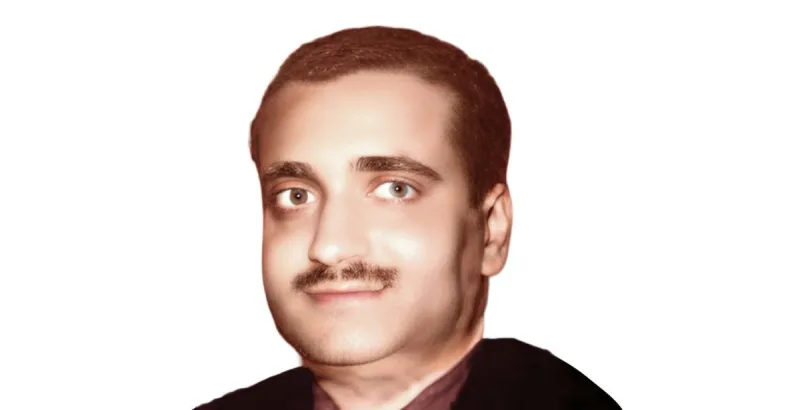
The foregoing discussion leads us naturally to shine a light on the career of the late Bahraini physician Ibrahim Yaqoub Al Saad, who is considered Bahrain's first doctor specialising in paediatrics, the founder of the paediatric department at Salmaniya Hospital, and a kind and humble man of high moral character and tireless energy, who served his people for nearly four decades without fatigue or tedium, moving from one clinic to another and from one post to the next.
Ibrahim Yaqoub Mohammed Al Saad was born in Farij Al Khater in the city of Muharraq in 1935, and was known to the men, women, and children of his hometown as