
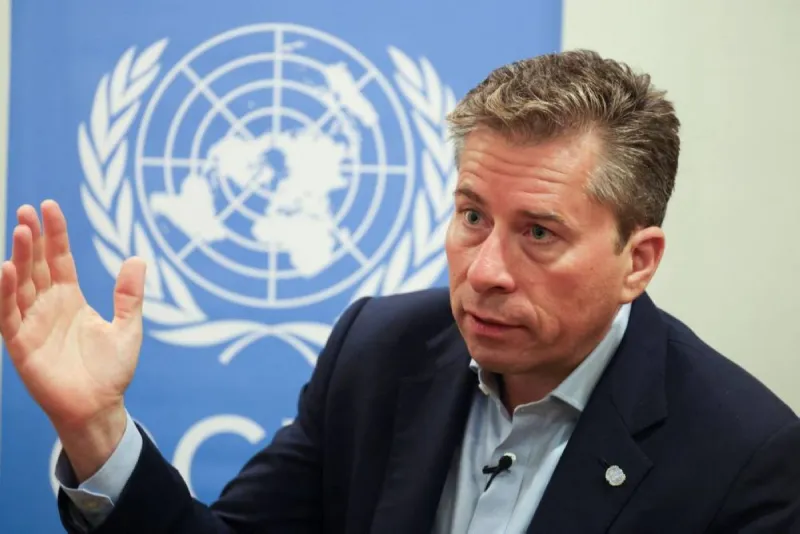
Tom Fletcher, UN Under-Secretary-General for Humanitarian Affairs and Emergency Relief Coordinator, has warned that the return of the El Niño phenomenon signals a new wave of climate disasters, including severe heatwaves, drought, and flooding that will affect communities in Latin America, East and Southern Africa, Asia, and the Pacific.
In a statement issued on Monday, Fletcher recalled that the El Niño phenomenon during 2023 and 2024 left tens of millions of people in need of food, nutrition, water, sanitation, healthcare, agricultural support, and protection, noting that current forecasts suggest the coming phenomenon could be more intense.
He explained that this crisis comes at a time when armed conflicts are intensifying, displacement figures are rising, and sharp increases in fuel, fertiliser, and food prices are placing severe strain on the most vulnerable households — all while the global humanitarian system faces mounting pressure from drastic funding cuts.
He announced that the international organisation is prepared to allocate $100 million from the Central Emergency Response Fund (CERF) for early response to the effects of the phenomenon before they worsen, revealing that the organisation has already allocated more than $20 million to fund a number of anticipatory actions in six countries, and is proceeding through the Fund's Climate Action Account to invest in strengthening the resilience of the most vulnerable communities against future climate shocks.
Fletcher called for the provision of early and flexible funding commensurate with the scale of the risks, stressing that investing in prevention and preparedness is less costly and more effective than responding after disasters strike.
He also called for prioritising conflict resolution and supporting communities forced into displacement, and urged bolder action to address climate change rather than short-term decisions that push the world towards breaching the 1.5-degree Celsius global warming threshold.
Fletcher emphasised that the world faces a clear choice: either wait for disaster to strike, or invest in strengthening communities' capacity to withstand it.