
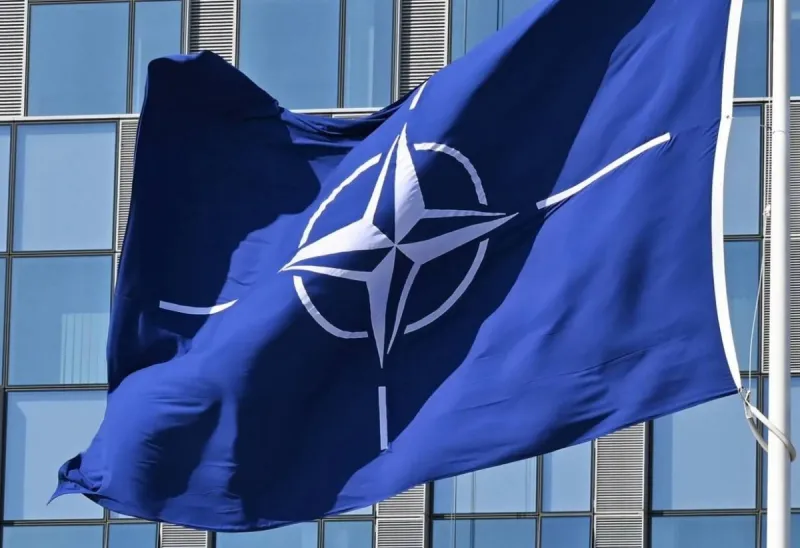
NATO Secretary General Mark Rutte said on Monday that the alliance's European members and Canada are "on the right track to match their defence spending" with that of the United States.
Rutte's remarks came one day before NATO leaders convene in Ankara for the alliance's annual summit.
The two-day summit, which begins on Tuesday, comes at a critical moment for the alliance as the United States scales back its security role in Europe. Washington has been pressing its allies to shoulder more of the spending burden.
The 32 member states agreed last year to spend 5% of their gross domestic product on defence, including 3.5% on their defence budgets and 1.5% on roads, bridges and ports so that forces and equipment can move more quickly in times of conflict.
Rutte called on alliance members to present "clear, concrete and credible plans" to reach the military alliance's spending targets at the summit.
Spain endorsed the goal but said it could meet NATO's security requirements without needing to spend such a large proportion. Some countries are still struggling to meet the alliance's older target of 2% of GDP.
On spending among European allies and Canada, Rutte said that "the evidence we are seeing so far is impressive." He said NATO estimates indicate that the alliance will invest $258 billion in defence in 2025, more than in previous years.
The German news agency dpa quoted Rutte as saying: "After just one year of a 10-year project, we see that European allies and Canada are already investing around 4% of their GDP in defence and security," adding that this includes core defence investment as well as other defence- and security-related investments. He noted that in 2025, core defence spending by European allies and Canada rose by 20% compared with the previous year.
Rutte added that European allies and Canada are also intensifying their efforts in other areas, including by "taking on more leadership within NATO's command and control structure," which points to "a genuine shift in mindset."
Asked what would happen to allies that do not have a clear plan, Rutte said: "If we still have to convince one or two members, we have ways of doing that." He did not elaborate.
US Ambassador to NATO Matthew Whitaker indicated last week that the United States has measures it will take against those who do not meet their commitments, but declined to disclose them.
He said that "President (Donald) Trump fully expects all allies to immediately begin working toward spending 5% of GDP on defence, and that this be done expeditiously."