
He had no idea that a fleeting moment of curiosity during a university holiday would alter the course of his life for two full decades. A short trip to a country in East Asia was the beginning; the end was long years of addiction, prison, and suffering — before he finally succeeded in winning his life back.
Majid, now in his fifties, recounts the details of his journey with addiction: "Everything started out of curiosity. I wanted to try the effect of drugs, even though I already knew the grave consequences."
"But a voice inside me kept saying it would be once or twice and then I would stop forever. I started with pills, then things gradually escalated until I reached heroin. My journey with addiction lasted around 20 years."
Majid describes the first phase as a "temporary pleasure," during which he believed he could control his doses and stop whenever he wished. "I was deceiving myself into thinking I was in control, when in reality a few small milligrams were capable of controlling the mind and movements of a grown man," he adds.
"What addicts call the pleasure phase did not last long. After that, the phase of decline and pain began, until I became a prisoner of the substance." As the years passed, Majid found himself caught in a spiral from which he saw no exit. He was arrested after a sample taken from him tested positive for drugs.
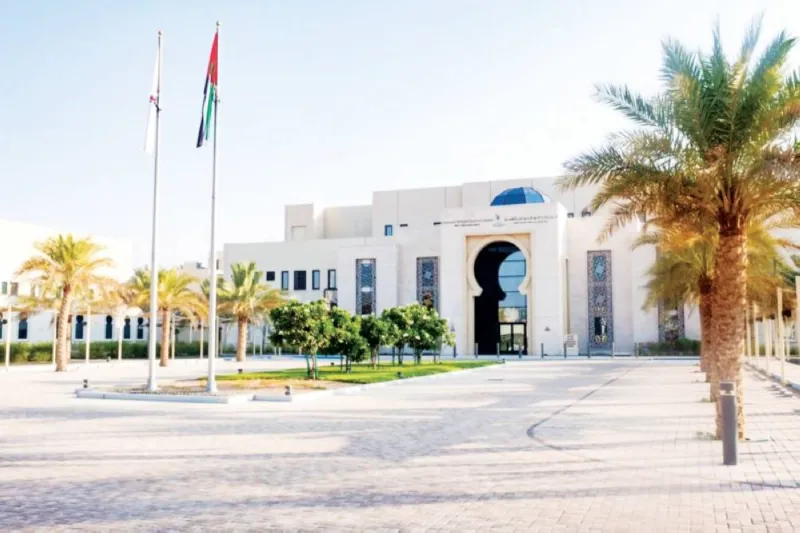
"I believed my life was over, and that there was no hope of breaking free from this vicious cycle," he says. "After I was released from prison I went back to using drugs. All my personal attempts and my brothers' attempts at home to stop me from returning to drug use failed — until one of my family members contacted the National Rehabilitation Centre. That was the real turning point."
Recalling those moments, he says: "From the very first day, the medical team received me with respect and appreciation. They told me that addiction is a disease that requires treatment, and that I was not a criminal or a deviant person as I had believed. For the first time, I felt that someone understood my suffering and was giving me real hope for recovery."
As the treatment programme continued, signs of life gradually returned to Majid. He regained his self-confidence, shed the anxiety that had shadowed him for many years, and arrived at a firm conviction that he was capable of stopping drug use for good.
Today, nine years into his recovery, Majid says he is living an entirely different life. He works in trade, has built a family with a wife and children, and makes a point of staying close to his children and listening to their problems — drawing on his personal experience to educate them about the dangers of drugs and protect them from falling into the same trap he did.
Majid closes with a message of gratitude to those running the National Rehabilitation Centre, stressing that their role goes beyond treating patients to helping them reintegrate into society and correcting misconceptions about addiction among families and therapeutic and correctional institutions — giving recovering addicts a real chance to begin a new life free from addiction.