
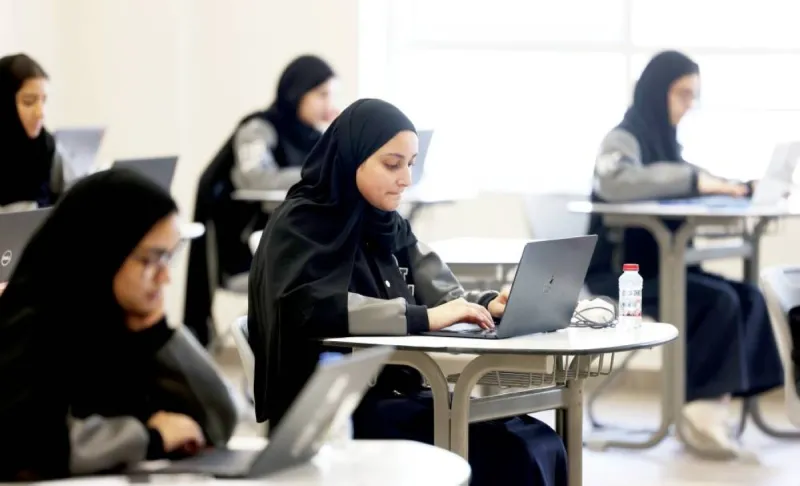
Government schools have intensified their preparations for the end-of-year examinations for the 2025–2026 academic year by holding wide-ranging virtual meetings with parents, aimed at raising students' academic, psychological, and technical readiness, and strengthening family-school cooperation during the period preceding the exams — one of the most critical phases of the school year.
School administrations affirmed during the meetings that achieving positive results in final examinations does not depend on the school's efforts alone, but requires a genuine partnership with the family, as the party closest to the student and most capable of monitoring their daily commitment to studying, revision, and time management.
The meetings included a review of the key procedures related to final examinations and the mechanisms for sitting electronic exams, as well as a clarification of the roles expected of parents to ensure an appropriate environment that helps students concentrate and achieve their best results.
Schools called on parents to create a suitable home study environment by providing a quiet space free from distractions and organising sleep and rest schedules, which would positively affect students' ability to absorb information and maintain focus during the examination period.
Schools also stressed the importance of monitoring children's use of electronic devices and ensuring they are used for educational purposes only, with no engagement in electronic games in the days leading up to examinations, given the direct impact this has on academic achievement.
Schools affirmed the need to keep abreast of examination timetables and the regulations governing them, and to follow any updates or messages issued through official school channels, to ensure no important deadlines or procedures are missed. In a related matter, school administrations urged parents to contact the academic counsellor or school administration promptly should any health or family emergency arise that may affect a student's attendance or performance in the examinations, so that appropriate measures can be taken in accordance with approved regulations.
As part of preparations for the ministerial electronic examinations, some secondary schools circulated detailed instructions to students and their parents, including the requirement to bring personal laptop computers to school and to ensure their technical readiness ahead of the examination dates. Schools also warned against installing or using virtual private network (VPN) programmes, stressing that the presence of such software could prevent a student from accessing the electronic exam or cause technical failures during the examination.
Schools affirmed during the meetings that the psychological dimension is no less important than the academic one, stressing the need to avoid placing excessive pressure on children or tying their success solely to grades. They urged parents to build their children's self-confidence and encourage them to exert their utmost effort, while focusing on the importance of discipline, commitment, and regular revision rather than stress and fear of results.