
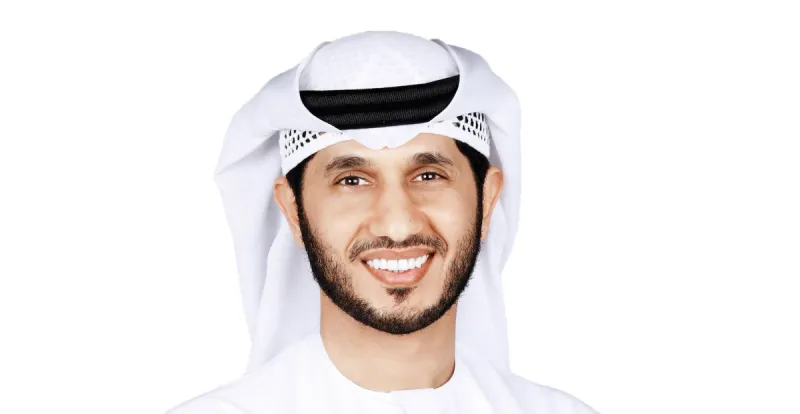
Dr Saeed Mubarak bin Kharbash, Executive Director of the Policy, Research and Programmes Sector at the Knowledge and Human Development Authority (KHDA) in Dubai, has affirmed that the 'Skills for Life' framework represents the first integrated life skills system in Dubai.
He noted that it covers a comprehensive set of life skills to be embedded in learning environments and educational curricula, meeting the needs of learners across all academic stages, with a focus on building a balanced personality capable of adapting to future changes.
He added: "The framework aims to empower all learners, regardless of their age or educational stage, to acquire practical, personal and social skills that enhance their future readiness and raise their ability to efficiently deal with the demands of life, study and work, in alignment with the goals of the Dubai Education Strategy 2033."
He said that wise leadership views education as a continuous journey that does not stop at the boundaries of school or university, but extends across all stages of life. The framework was therefore designed to make the learning of life skills a continuous daily practice, through which learners can acquire experience at any time and from any place, equipping them to face various life challenges with confidence and competence.
He added that the framework focuses on a number of core pillars, including the adoption of healthy lifestyles, efficient and independent management of daily life requirements, the promotion of financial literacy and conscious consumer practices, alongside the development of psychological resilience and self-empowerment, and the building of social skills and the fostering of positive relationships among learners.
He noted that one of the key pillars is the development of digital life skills, by enabling students to use technologies and digital tools in a safe, responsible and effective manner, thereby promoting digital citizenship and embedding responsible behaviour in digital environments.
He also affirmed that the framework reinforces sustainable behaviours and encourages learners to make responsible decisions that contribute to protecting the environment and supporting a more sustainable future for the emirate of Dubai.
Regarding measurement of the initiative's impact, bin Kharbash explained that impact assessment will form an essential part of the framework itself, through monitoring the extent to which learners acquire the targeted skills and the degree to which these are reflected in their readiness for life and the achievement of the pillars of the Dubai Education Strategy 2033, ensuring continuous development and the realisation of desired objectives.
He added that the supporting programmes of the framework will contribute to achieving a sustainable long-term impact, by embedding life skills in learners and transforming them into daily practices that are reflected in their personal, academic and professional lives.
He pointed out that the framework reflects Dubai's commitment to strengthening the partnership between educational institutions, teachers, parents, business sectors and the community, as a shared responsibility to prepare a confident and balanced generation that holds firm to its values and is capable of contributing to building the future.
He affirmed that the framework places learner well-being at the heart of the educational process, and this orientation is translated into clear learning outcomes and specific expectations for educational service providers, ensuring unified efforts towards building a more inclusive and sustainable educational system that focuses on human development above all else.
The framework covers a comprehensive set of life skills.
Enabling students to use technologies and digital tools in a safe and responsible manner.