
Media leaders have affirmed that the UAE media sector demonstrated an advanced level of readiness and professionalism during the recent geopolitical developments witnessed by the region, and was able to fulfil its national role efficiently by conveying accurate, reliable information and countering the rumours and misleading content that spread across certain digital platforms and social media channels.
They noted that national media institutions succeeded in producing professional, balanced content grounded in credibility and speed in reporting the facts, drawing on coordination and integration among the various bodies concerned.
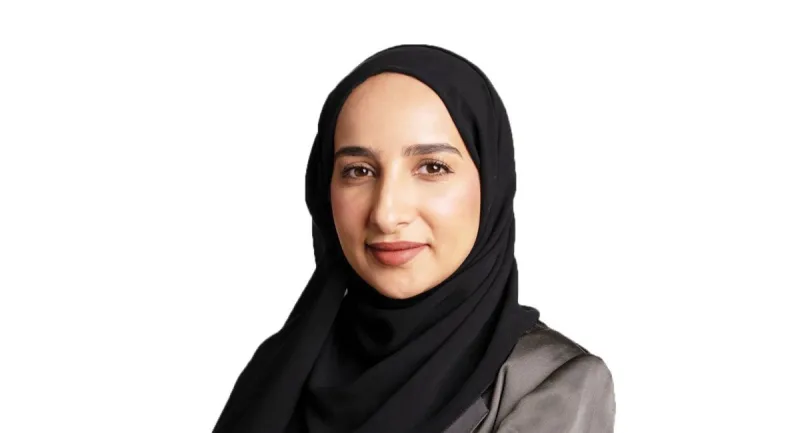
In this context, Mariam Al Mulla, Director of the Dubai Press Club, shed light on the efforts the club has made since its founding to support the media sector by bringing journalists and content creators together under one roof for dialogue, exchange of expertise, and discussion of issues of relevance to the national media.
She explained that the club's role is not limited to organising media events and forums, but extends to contributing to the development of a shared media vision that places the interests of the nation and society at the top of its priorities, and reinforces the role of media as an essential partner in spreading awareness, building trust, and preserving stability.
She added that the accelerating changes and challenges the world is experiencing today make it all the more necessary to strengthen coordination among media institutions — something the Dubai Press Club is working towards by providing a platform that brings different parties together for dialogue, cooperation, and the exchange of ideas and expertise.
She stressed that the strength of UAE media lies in its integration and its capacity to deliver a unified national message that reflects the achievements of the United Arab Emirates and contributes to countering misinformation and attempts to distort those achievements. She said the goal is to maintain a responsible, influential UAE media that can keep pace with change while holding fast to its national constants and its role in serving society and the nation.
For her part, Dr Maitha Bu Humaid, Executive Director of the Marketing and Communication Sector at Dubai Media Incorporated, affirmed that the ability of national institutions to keep pace with transformations and deal with rapidly escalating challenges and crises depends on the readiness of their plans and procedures, their possession of a flexible operating framework, and their capacity to anticipate the future, manage risks, adapt to change, and make decisions in a timely manner — qualities that the institutions demonstrated in handling the recent circumstances the region has witnessed.
She noted that media institutions will focus in the coming period on investing in the development of their human resources, enhancing their technical capabilities, and building an integrated working environment that ensures continuity of performance and efficiency of response under all circumstances.
She added that institutional communication is one of the most important pillars of institutional readiness, serving as a strategic partner in managing transformations, building trust, and strengthening effective engagement with partners and all segments of society — and its importance grows during crises and major transformations.
It contributes to ensuring that accurate, reliable information reaches audiences in a timely manner, enhancing transparency, and consolidating trust in official sources, thereby supporting societal stability, limiting the spread of inaccurate information, protecting national gains, and advancing the path of sustainable development.
She explained that coordinating media messages among different entities is a fundamental factor in enhancing the effectiveness of institutional communication, as it helps to unify and integrate those messages, avoid conflicting information, and present a clear picture to the public on priority issues and topics.
When the communication efforts of national institutions are integrated — as institutions have demonstrated under various circumstances — it enhances crisis management efficiency, raises the level of societal awareness, strengthens public trust in national institutions, and supports the stability and cohesion of the nation, in line with the UAE's vision of building a sustainable development model based on knowledge, partnership, and trust.
Meanwhile, Mayra Abdullah Al Qamzi, Director of the Marketing and Institutional Communication Department at the Community Development Authority in Dubai, believes that the ability of national institutions to deal efficiently with rapidly accelerating changes and various challenges rests on comprehensive institutional readiness built on foresight, swift coordination, and integration of roles among government entities, ensuring business continuity and enhancing the flexibility of the national work system under all circumstances.
She said that institutional communication is no longer limited to conveying messages and information, but has become a strategic partner in supporting decision-making, managing institutional reputation, and building public trust — through the delivery of accurate, reliable, and unified information that reflects the facts and supports societal awareness, particularly during crises and periods of rapid change.
She affirmed that Dubai's experience has proven that the integration of media messages among government entities is one of the most important success factors in managing challenges and strengthening public confidence in institutions.
She noted that the Community Development Authority, by virtue of its role in promoting social cohesion and quality of life, is committed to establishing effective communication channels with various partners, contributing to the building of a more aware and cohesive society that supports the nation's stability and its ability to face change with efficiency and confidence.