
Abu Dhabi — WAM; Dubai — Al Bayan and agencies
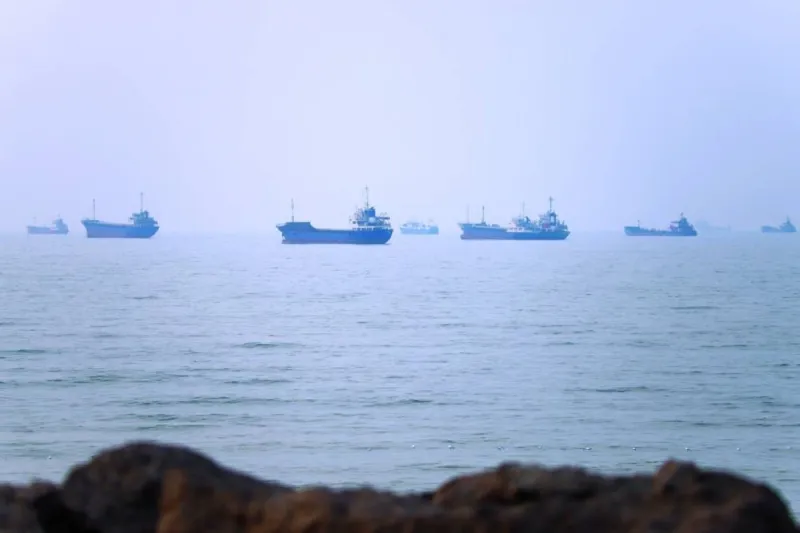
Fears over navigational security in the Strait of Hormuz have resurfaced after the vital waterway witnessed three attacks targeting commercial vessels in less than 24 hours, among them a Qatari tanker — a development that has reignited tensions in one of the world's most important energy corridors, despite the temporary US-Iran agreement that included arrangements to reduce escalation and secure maritime transit.
The United Arab Emirates condemned in the strongest terms the aggressive Iranian attack that targeted the Qatari tanker Al Rukayyat while it was transiting near the Strait of Hormuz.
The Ministry of Foreign Affairs stated in a communiqué that the attack represents a grave threat to the safety and security of international navigation and constitutes a dangerous escalation aimed at undermining the security and stability of one of the world's most vital waterways.
The UAE expressed its full solidarity with the sisterly State of Qatar, affirming its support for all measures that serve to protect the security and safety of its vessels and national interests, and to guarantee freedom of navigation in regional and international waters.
The Ministry also stressed that the attack constitutes a flagrant violation of UN Security Council Resolution 2817, which affirmed the importance of protecting freedom of navigation and rejected the targeting of commercial vessels or the disruption of international maritime corridors.
It further affirmed that targeting commercial navigation or using the Strait of Hormuz as a tool of pressure or economic coercion is unacceptable and constitutes a direct threat to regional stability, global energy security, and the safety of international trade flows.
Meanwhile, a US official told NBC News: