
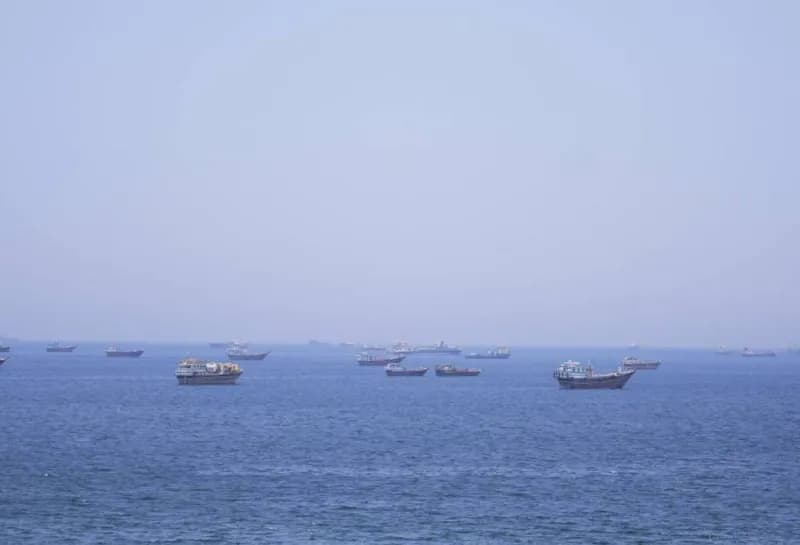
US President Donald Trump announced yesterday that he had electronically signed a memorandum of understanding with Iran in Paris, paving the way for 60 days of negotiations aimed at reaching a final agreement. The Strait of Hormuz crisis is meanwhile moving toward a resolution, particularly after the US military announced the lifting of its naval blockade on Iranian ports, and Iran confirmed that no fees would be imposed on ships under the terms of the memorandum, which stipulate that Iran shall make every effort to ensure the immediate safe passage of commercial vessels without charge for 60 days, and shall consider removing obstacles and mines.
Criticism emerged publicly yesterday from circles in the United States and Israel following the publication of the memorandum's provisions, which set out 14 clauses deferring a number of issues, including how to terminate Iran's nuclear programme.
Trump responded to his critics on Truth Social, saying that much of the news being circulated by Democrats was false. His Vice President JD Vance also condemned members of Israeli Prime Minister Benjamin Netanyahu's government who are criticising the Washington-Tehran understanding, saying they needed to "wake up" and grasp "reality".
As the memorandum of understanding also covers Lebanon, doubts have grown over the viability of its implementation, particularly given Israel's confirmation that it is continuing its operations in southern Lebanon, where it carried out strikes on Hezbollah positions yesterday and pushed into border villages and towns.
Although the Swiss Foreign Ministry announced that negotiations would begin their preliminary phase today, uncertainty emerged in the final hours over their start, especially after Pakistani Prime Minister Shehbaz Sharif postponed his scheduled visit to Switzerland today.