
Dubai hosted the fifth edition of Arab Cinema Week from 5 to 11 June at Aqil Cinema in Sercal Avenue.
This year's edition presented a carefully curated artistic programme comprising 9 films from 10 Arab countries, with a particular focus on the Lebanese cinema scene and its pioneering filmmakers, whose works address concepts of memory, identity, conflict and belonging from deeply human perspectives.
The film selection included narrative features, documentaries and innovative experimental storytelling, reflecting the evolution of contemporary Arab cinematic language and reaffirming the event's commitment to fostering meaningful dialogue between filmmakers and audiences through screenings and accompanying discussion sessions.
This year's programme served as a contemplative journey exploring memory, survival, identity and emotional worlds — elements that have shaped the Arab world. The works ranged across narrative, documentary and hybrid formats blending personal history with collective memory, reflecting the richness of contemporary cinematic language and the interweaving of its themes.
The programme also placed a spotlight on Lebanese cinema and its deep ties to memory, conflict and resilience. Among the standout works was Do You Love Me by director Lana Daher, who sought to delve into Beirut's forgotten cinematic archive, having obtained hundreds of archival photographs and films that enabled her to make this work about the ugly face of war, which continues to appear in Lebanon in its various forms and guises.
The film Thuraya, My Love by director Nicolas Khoury explored the manifestations of personal grief in a dreamlike dialogue with the cinematic legacy of the Lebanese Civil War, while Stars of Hope and Pain by director Cyril Aris traced paths of love and resilience in contemporary Beirut.
Other works in the festival turned toward the emotional essence of family and home. Director Jihan Al Kaikhia examined inherited silence across generations in her documentary Baba and Gaddafi, while director Zain Al Duraie's film Sink mapped survival and nostalgia within the warm intimacy of domestic space.
The programme also shone a light on the art of storytelling and cinematic voices emerging from Sudan, including the film Queen of Cotton by director Suzannah Mirghani.
The festival closed its screenings with two visually distinctive works exploring concepts of displacement, power and memory, each speaking in a unique cinematic language. The first, The President's Cake, sees director Hassan Hadi portray a surrealist tale set in 1990s Iraq, while Zanka Contact by director Maryam Touzani reveals delicate emotional reflections on exile, patriarchal authority and belonging.
These films embody the sophisticated level of development in Arab cinematic storytelling, blending narrative fiction, documentary imprint and the spaces between them into a harmonious whole.
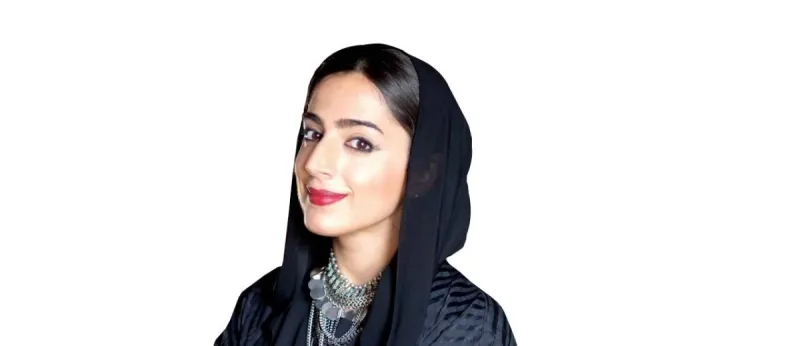
Buthaina Kazim, founder of Aqil Cinema, said: "We are delighted to celebrate Arab Cinema Week entering its fifth year, especially as it has now taken on a new character — as a living archive of the region's cinematic voice. Having begun as a conventional film festival, Arab Cinema Week was established as a space celebrating regional narratives. Over the years, however, it has evolved into a continuously renewed cultural landmark, eagerly anticipated by audiences and filmmakers alike, one that hosts the dialogues and cinematic ideas capable of elevating the region's visual memory. The Week has presented a diverse selection of distinguished films."