
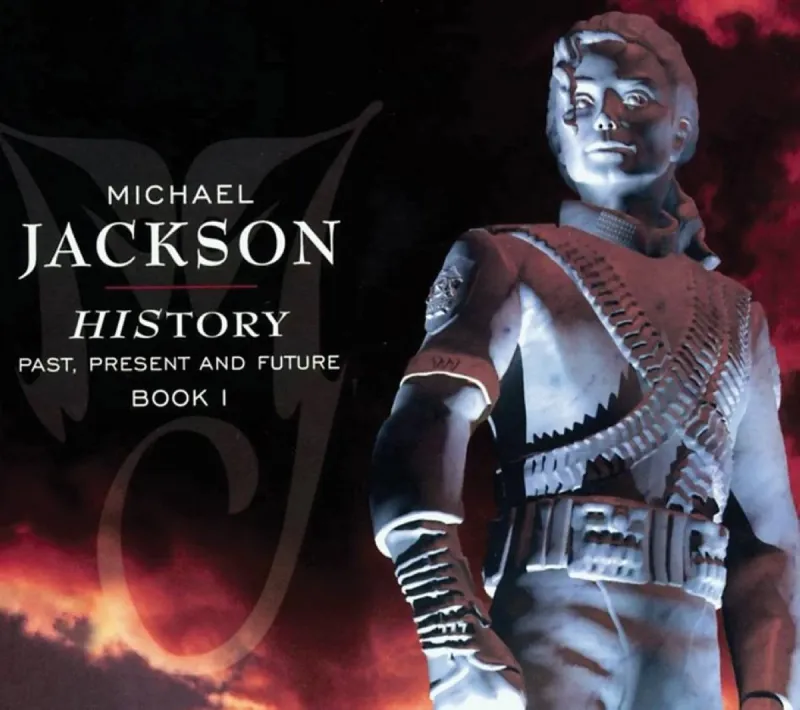
Stardom in the world of pop music is, above all, an engineering challenge. For an artist to assert dominance over global culture, it is not enough merely to write melodies that linger in the memory; he must construct a structural framework that dictates to the audience how, when, and where they receive and appreciate his art.
For decades, the detailed blueprint of a musical career was governed by tangible physical constraints: the manufacture of vinyl records, the distribution of CDs, and the limited airtime of traditional radio stations. In that landscape, power was measured by the degree of scarcity — meaning a singer would release an album only once every two or three years — and by the ability to make the entire world stop and contemplate a single, singular artistic edifice.
Today, that physical ecosystem has vanished entirely, dissolved into the endless digital streams of the streaming era. The greatest threat facing the contemporary artist is no longer a lack of polish or mastery, but rather being erased from the memory of a voracious and lightning-fast algorithm.
To understand this seismic shift in the world of music, one must analyse the two dominant giants, each of whom sat atop the throne of one of these two contrasting eras. Both Michael Jackson and Taylor Swift reached the pinnacle of absolute influence and control over the music industry, yet each deployed that power to execute two entirely opposing strategies: Jackson through the