
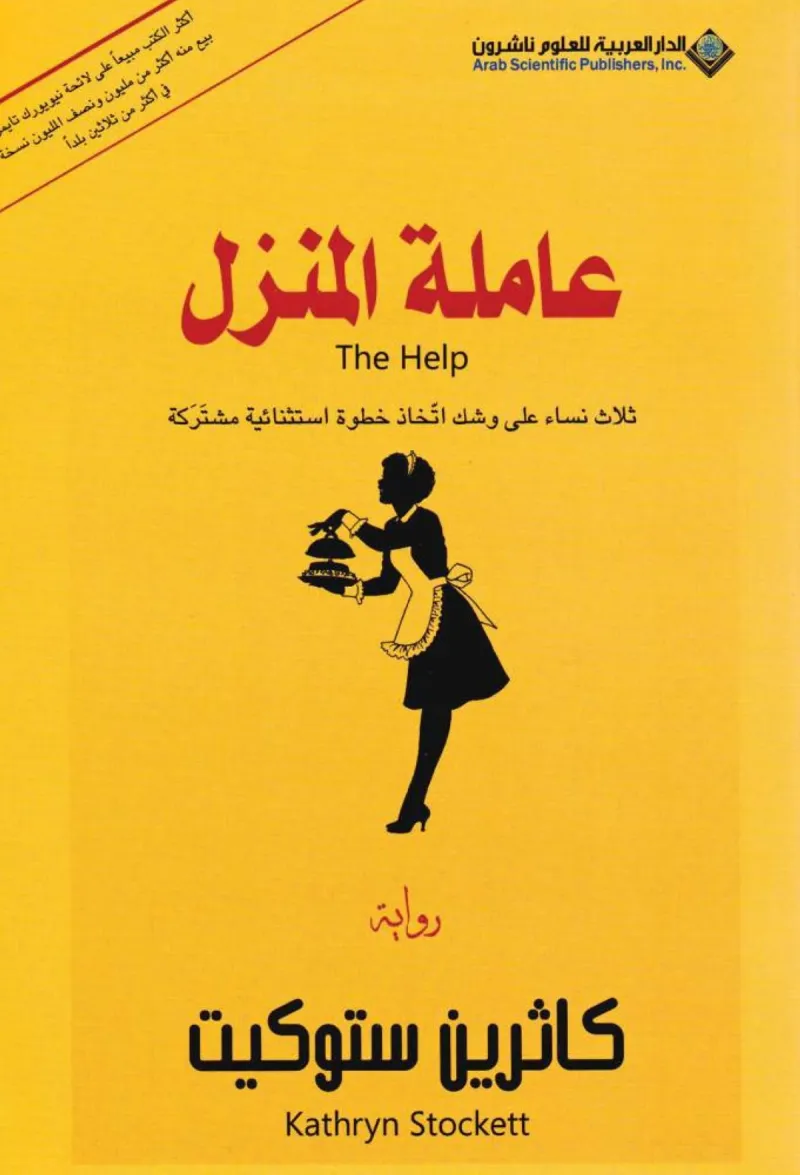
Kathryn Stockett's novel The Help offers a moving window into the lives of African American domestic workers in Mississippi during the 1960s. The novel does not merely recount individual stories; it also lays bare the racial and class structures that governed American society at the time.
It sheds light on the daily struggles these women faced in their pursuit of dignity and justice, seen through the eyes of Skeeter, a young white woman seeking to write a book about the maids' experiences, through which painful tales of discrimination, injustice, and resilience are revealed.
The novel highlights how the maids, despite their harsh circumstances, never lost their humanity or their dignity, but instead found ways to resist — whether through solidarity with one another or through self-expression. It invites reflection on the concept of "service" and how it can be transformed into exploitation.
The novel carries a profound human symbolism, serving as a reminder of the importance of listening to the voices of the marginalised and of the necessity of striving for a more just and equal society.