
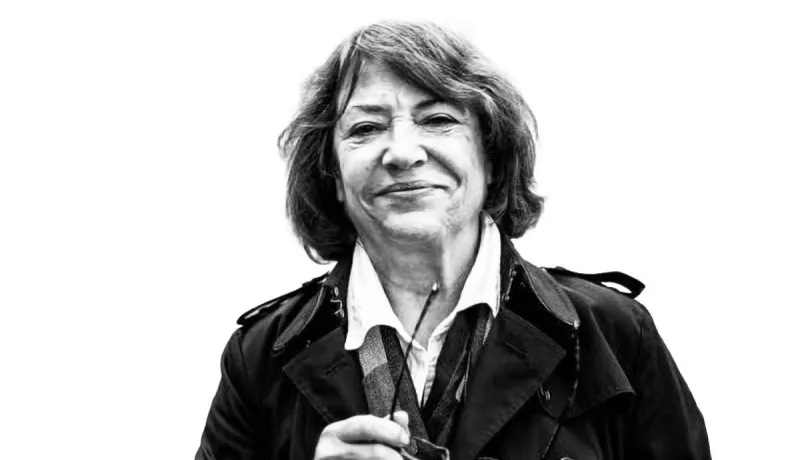
The novel Ten Women by Chilean author Marcela Serrano plunges into the depths of feminine experience, presenting a narrative mosaic shaped by the stories of ten women who meet in group therapy sessions under the supervision of psychiatrist Natasha. The novel goes beyond recounting individual stories to deconstruct the social and psychological structures that form the consciousness of the contemporary woman in Latin America, revealing the shared challenges she faces in male-biased societies.
Serrano skillfully weaves multiple narrative threads ranging across pain, love, betrayal, motherhood, and the search for the self, making the work a mirror that reflects the complexities of feminine identity in an era of transformation. The novel analyses in depth how the feminine self is shaped by its surrounding circumstances, and how it strives relentlessly to redefine its existence in a world that imposes multiple constraints upon it — granting the reader a deeper understanding of the internal and external struggles women undergo.
The ten women share profound pain, manifest in their troubled relationships with men, their struggles with motherhood, or their search for meaning beyond traditional frameworks. Each story is a window onto an inner world full of contradictions, where the desire for independence clashes with the need for love, and professional ambition collides with the pressures of social roles.
The novel highlights how these wounds are not purely individual but are the product of a broader social and cultural system that imposes unique challenges on women in their journey toward liberation and self-realisation.
These wounds transcend geographical and cultural boundaries to become an echo of women's experiences worldwide, lending the novel a universal human dimension. It reveals the fragility of the human spirit and its simultaneous capacity for resilience and resistance, calling for reflection on the hidden and overt mechanisms of oppression that shape women's lives.
The group therapy sessions in the novel are more than a mere narrative framework; they are a safe space in which the women discover their suppressed voices, share their experiences, and learn from one another. This space represents a refuge where illusions can be dismantled and fears confronted.
It is also a place for rebuilding the self free from society's judgements. Natasha's role as a psychiatrist goes beyond conventional treatment to become that of a guide who helps the women understand themselves, identify their sources of strength, and free themselves from the constraints of the past — weaving a collective process of consciousness.
In this way, individual stories are transformed into a collective force that drives change, creating a support network that breaks the isolation women so often experience in their struggles. This therapeutic space becomes a miniature social laboratory where meanings are renegotiated and new visions of the self and the world are formed — underscoring the importance of shared narrative in the process of healing and empowerment.
The novel raises a central question about the nature of feminine identity in a changing world: is it defined by social roles — wife, mother, daughter — or does it go beyond that to encompass personal ambitions, creativity, and independence?
Yet Serrano offers no ready-made answers; instead she invites the reader to contemplate these questions, emphasising that a woman's true liberation begins from within — through self-understanding and self-acceptance in all its contradictions. The novel affirms that the search for identity is a continuous journey requiring the courage to confront both the self and society, and to challenge the stereotypes that seek to confine women to prescribed roles. It is a serious call to recognise the power of women in shaping their own destinies.
It is also an affirmation that every woman carries within her a complete world that deserves to be told and celebrated, free from any constraints or preconceived judgements, and that this creates a deeper and more comprehensive awareness of human existence in all its complexity — making it a rich reading experience that provokes thought on questions of gender and society.
The novel does not settle for depicting reality; it spurs reflection and affirms that the woman's voice is a key to a deeper understanding of the world, and that her liberation is the liberation of society as a whole, in a journey that never ceases toward the realisation of full justice and equality.
At the end of the novel, Natasha describes a profound experience in her own words: "Natasha let go of the curtain. They had gone. She imagines them walking away from her, with hurried steps, looking up at the stars — not the stars they knew before, but those born from other stars... And finally she says, moving away from the window: 'In the end, one way or another, we all have the same story we can tell.'"