
Philosophy springs from the womb of rational inquiry into the transcendent that lies within reality itself — it is the essence that resists direct sensory perception. From this, the philosophical question begins with "what," in search of substance.
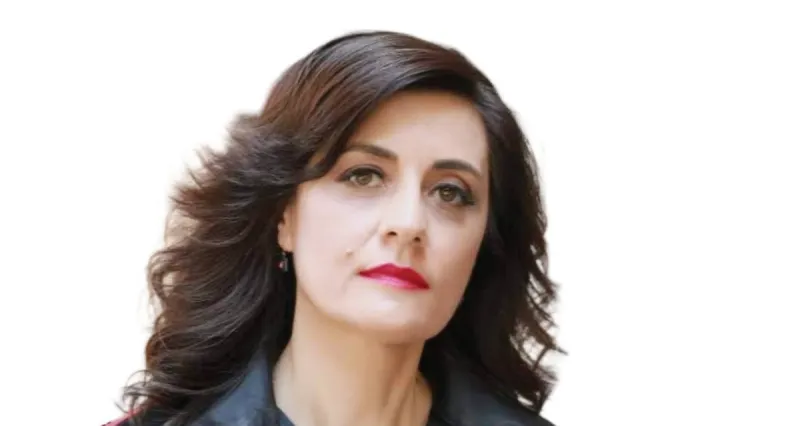
In this context, Bait Al Falsafa (House of Philosophy) in Fujairah presents the book The Self and Its Manifestations by writer Marilyn Younes as part of its philosophical youth book series, seeking to restore the standing of the great existential questions bound up with truth, beauty, and humanity in all its civilisational expressions.
Philosophical inquiry also guides us toward the dilemma of the self, drawing on the principle of "know thyself," so that the human being may become what they ought to be. Looking at the historical background of the concept of the self — from the Greeks to Descartes and modern thinkers — we find that the human self is deeply indebted in the question of essence and quiddity.
Its meanings crystallise within intellectual systems, despite lingering doubt as to whether philosophy can mend the rifts of ego-centrism or bridge the fracture in the question of the other's essence — particularly as we live through imposed conditions that compel us to ask about humanity in all its civilisational manifestations.
The book examines the essential boundaries of the self, understanding the rational self as a uniquely human distinction, or as a stable, self-subsisting essence that does not change with changing attributes. Yet this stability does not imply rigidity; it is better to regard the self as an act of transition — from the ego's resting state to the field of action. It is that which stands on the moderate path, reconciling the reckless, unbridled ego with the controlling, authoritarian superego.
This dialectic between personal identity and the speaking self opens horizons for understanding the manifestations of the self across the different stages of life, and for confronting the self-alienation that may assail one's being through its unavoidable and necessary existential situations. This transition is the very core of human becoming — an ongoing striving to break free from the constraints of the narrow ego toward wider spaces of consciousness and responsible practice.
The book opens multiple windows, affirming that self-knowledge is the only path to healing the rift between the ego and the world, and to achieving balance between the demands of the spirit and the pressures of the reality surrounding contemporary humanity. It is an open invitation to rekindle the flame of questioning and to forge a human consciousness that grasps the essence of existence and looks toward the horizons of the future with an enlightened philosophical vision.