
As the 1990s reached the peak of their energy and prosperity, the map of pop music had fragmented and dispersed among sharply defined local currents. The scene witnessed the rise of grunge with Nirvana, the thunderous explosion of hip-hop between the West and East Coasts (Tupac and Biggie), and the polished birth of teen pop aimed at adolescents in the late 1990s (Britney Spears, Backstreet Boys).
But what of Michael Jackson? He refused entirely to be placed under any of those ready-made labels or categories; instead he became — in the literal sense of the word — an independent artistic classification unto himself.
At a time when R&B singers of the 1990s were showcasing their abilities through smooth vocal embellishments and runs — as was the case with Boyz II Men or Mariah Carey — Michael turned his voice into a literal percussion instrument. His vocal style in the 1990s became incredibly sharp and staccato.
He would whisper, growl, gasp, beatbox, and snap his fingers directly into the microphone, folding his vocal tics into the very rhythmic tracks of the song.
Strip away all the instruments from Michael's 1990s songs, and his vocal textures alone would remain capable of driving and controlling the beat. While pop songs of the 1990s generally revolved around romance and exuberance, Michael's artistic output in that era took on a character steeped in anger and self-defence.
Works such as Scream (a duet with his sister Janet Jackson), They Don't Care About Us, and Earth Song raised major themes and issues — media corruption, isolation, institutional injustice, and environmental collapse — lending his music an emotional intensity and theatrical weight that his contemporaries could not replicate.
He managed to remain remarkably current through collaboration with the leading producers of the 1990s (such as Teddy Riley and Rodney 'Darkchild' Jerkins), but he always bent and shaped their sounds and rhythms to serve his own vision, never the other way around.
In 1993, Michael Jackson's world shattered completely when he faced the first major public accusations of the sexual abuse of children. Although the civil case was settled out of court and no formal criminal charges were brought against him at that time, his pristine global reputation suffered a devastating blow: endorsement deals vanished entirely and public perception of him changed radically.
When he entered the studio to record his next project, he did not write light, danceable musical phrases; instead he made an album drenched in anger, paranoia, and fierce self-defence.
At that point, Sony Music found itself facing a terrifying financial predicament. It had invested tens of millions in Jackson, but was not confident whether the public would buy a standalone album that was essentially a dark, aggressive musical counterattack against the media.
Sony decided to release a double album — the first disc containing all his hit songs, the second the new material — sold together as one package. The strategy succeeded: the album sold 40 million copies and entered history as the best-selling double album of all time.
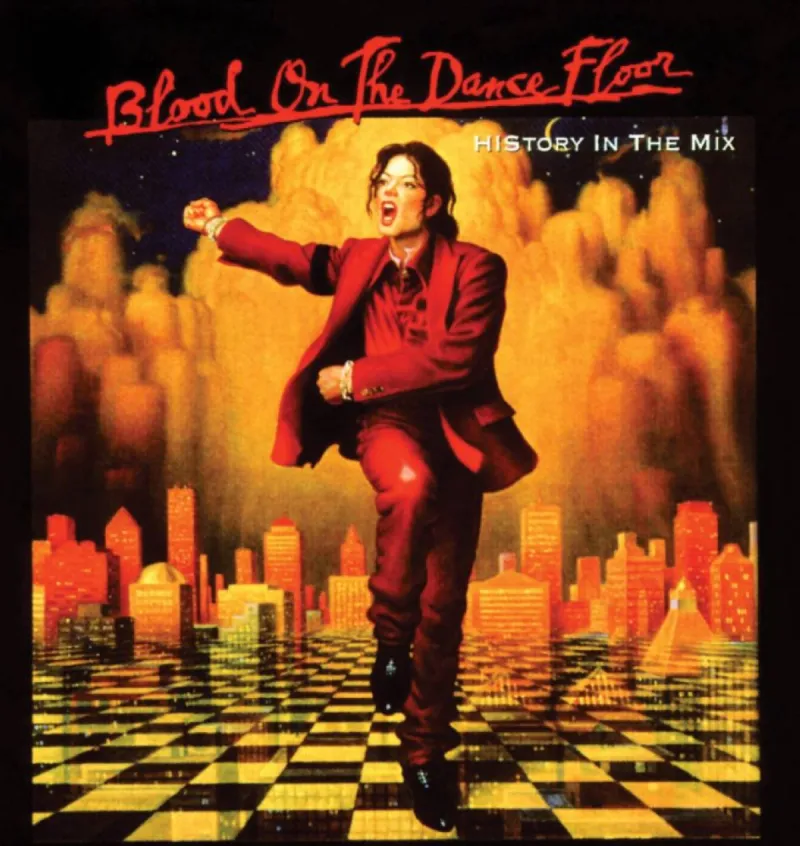
Two years later, an exhausted Michael Jackson released another double album, but on a single CD titled Blood on the Dance Floor, containing only 5 new songs with the rest drawn from his previous album. The conflict between Michael Jackson and Tommy Mottola, president of Sony Music, exploded when Jackson refused to renew his contract after releasing his final album, Invincible, in 2001. Mottola insisted on a contract renewal or forced Jackson to sell his 50% stake in Sony to settle debts totalling 500 million dollars.
Jackson refused, and Mottola withdrew all promotional support for the new album, causing it to fail. The conflict erupted again when Jackson decided to release Unbreakable as the first single from the album; Mottola rejected this and released You Rock My World instead, which enraged Jackson, who accused Mottola of racism against minority artists.
The September 11, 2001 attacks struck in the midst of that dispute, forcing Sony to cancel the album's promotional tour. Songs also leaked extensively onto the internet, deepening the losses — particularly given that the budget for the new album had reached 30 million dollars.
Pop architecture: How Michael Jackson built the modern album concept — then dismantled it (2-3)
Pop architecture: How Michael Jackson built the modern album concept — then dismantled it (1-3)