
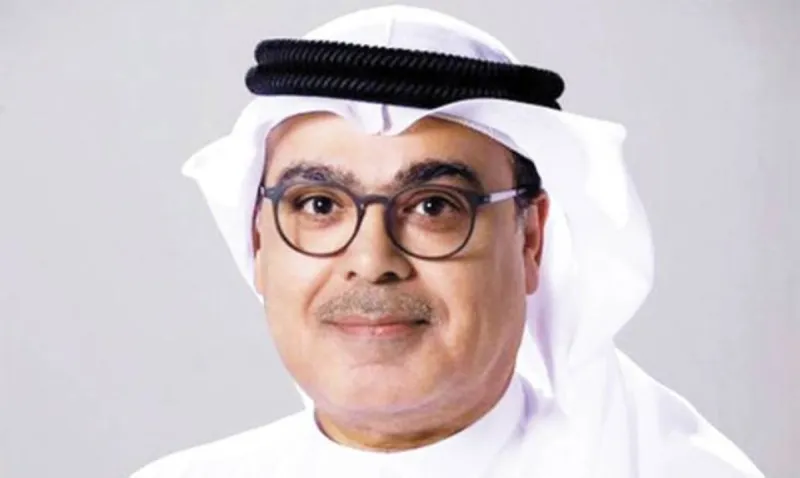
Dr. Abdulaziz Al Musallam, Chairman of the Sharjah Institute for Heritage, has affirmed that oral traditions represent the pulse of cultural identity for communities, and that they are now in urgent need of new tools to ensure their sustainability and transmission to future generations in an era of rapidly accelerating digital change.
His remarks came ahead of the third edition of the Heritage Conference, organised by the institute from 7 to 10 July, under the theme "Oral Traditions in a Changing World: From Live Performance to Digital Media".
Experts
Dr. Al Musallam explained that the conference, which brings together a distinguished group of researchers, academics, experts and specialists from the United Arab Emirates and a number of Arab countries, embodies the Sharjah Institute for Heritage's vision of keeping pace with global transformations in the heritage sector while preserving its authenticity and identity.
"We at the institute believe that safeguarding oral traditions cannot be achieved through documentation alone, but through preserving their living contexts, empowering the communities that carry them, and harnessing modern technologies and digital media as supporting tools for transmitting this human legacy to the future," he said.
The Chairman of the Sharjah Institute for Heritage noted that the conference brings this distinguished group of experts together with the aim of exchanging visions and experiences, and of producing practical recommendations that contribute to developing policies for the protection of intangible cultural heritage and strengthening its presence locally, across the Arab world, and internationally.
The conference is being held in line with the institute's ongoing efforts to enhance the presence of intangible cultural heritage, develop mechanisms for its preservation and safeguarding, and anticipate the future of oral traditions amid rapidly accelerating digital transformations — proceeding from the understanding that they constitute a living cultural system that produces and reproduces meaning across generations, and form one of the most important tributaries of collective memory, carrying inherited values, knowledge and experiences.
Over three days, the conference will discuss a range of scientific and intellectual issues.
The conference will also feature specialised scientific sessions presenting the latest Arab and international studies and experiences in the documentation and digitisation of oral traditions, alongside discussions of the challenges facing intangible heritage.