
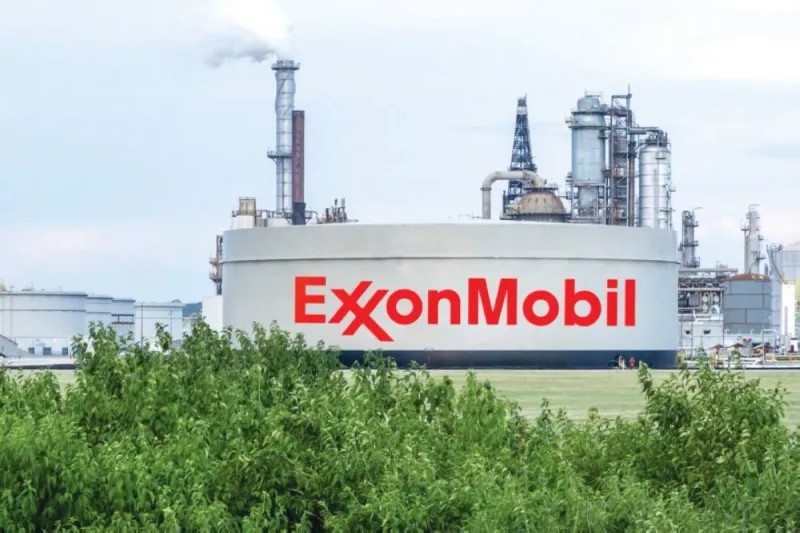
Major US oil companies are poised to post exceptional quarterly profits — their highest in years — as political pressure mounts ahead of the November 2026 congressional midterm elections and debate over fuel prices in the American market intensifies.
According to a Reuters report, ExxonMobil and Chevron are expected to announce second-quarter earnings more than three times higher than their first-quarter results, driven by rising oil prices and expanding refining margins amid global supply disruptions.
Estimates indicate that the surge in oil prices was the result of geopolitical disruptions and tensions in energy markets, which directly boosted profits at production and refining companies.
Markets expect ExxonMobil's profits to reach approximately $15.9 billion and Chevron's to reach around $9.9 billion — representing more than three times first-quarter profit levels, according to estimates from the London Stock Exchange Group.
Strong refining margins, particularly in the gasoline and diesel segments, also contributed to these results, with a notable rise in the price spread between crude oil and refined products.
These gains come amid growing tension between energy companies and the US administration, as President Donald Trump presses companies to lower gasoline prices ahead of the elections at a time when fuel prices have risen markedly.
According to reports, the White House urged the Justice Department to examine the possibility of fuel price manipulation practices, while the Treasury Department issued direct warnings to production and refining companies about the need to lower prices at the pump.
Oil companies, for their part, maintain that their influence over gasoline prices is limited, noting that crude prices account for roughly half of the final consumer price, while the remainder is split among refining, distribution, and taxes.
The US administration is seeking to bring the average gasoline price down to approximately $2.50 per gallon, compared with a current average of around $3.85, reflecting a wide gap between the policy target and market reality.
Analysts say the price surge has intensified political pressure on the administration and has become a central issue in the electoral debate, particularly as the Democratic opposition exploits the cost-of-living issue.
Energy experts also link the continued rise in fuel prices to declining inventories in the US market, not solely to movements in crude oil prices.
Market data confirm that US refining margins rose sharply in the second quarter, with the average gasoline margin reaching approximately $25 per barrel and diesel margins reaching around $45 per barrel — levels considered among the highest since 2022.
Some analysts say part of the profit surge is also attributable to accounting factors related to hedging instruments, though the larger portion reflects a genuine improvement in energy market fundamentals.
Despite the political criticism, analysts expect major oil companies to continue share buyback programmes in the second half of 2026, as part of a strategy focused on enhancing shareholder returns rather than expanding production.
This approach reflects a trend that has persisted in the energy sector since the COVID-19 pandemic, based on disciplined spending and capitalising on price cycles rather than rapidly expanding output.
The overall picture suggests that US energy companies are heading toward one of their strongest profit periods in years — but these gains are arriving in a politically sensitive environment, where fuel prices are becoming a hot electoral issue that places the industry in direct confrontation with the White House.