
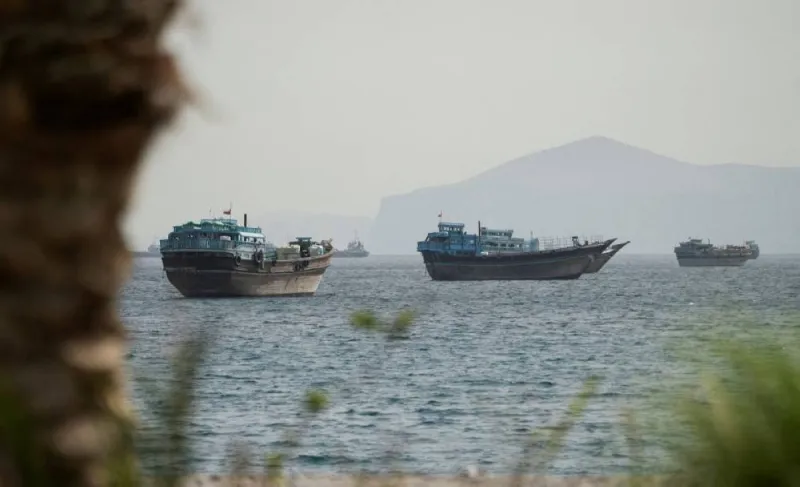
Several international organisations, including the International Monetary Fund, the International Energy Agency, and the World Trade Organization, have warned of the risk of an oil shortage this summer if shipping traffic through the Strait of Hormuz does not return to normal quickly.
The heads of the three international organisations said in a joint statement that global oil inventories are shrinking at a record pace due to the significant loss of shipments passing through the Strait of Hormuz, and that the rapid and sustained decline in global stocks will pose a growing threat to energy security and market conditions — and, more broadly, to economic resilience — if maritime traffic does not return to normal before the peak summer demand period in the Northern Hemisphere.
The statement added that the sharp rise in prices of energy products and fertilisers due to the war in the Middle East has had a disproportionate impact on low-income countries, and that "the rise in fertiliser prices is a particular concern as many countries enter the agricultural season."
Iran restricted shipping traffic through the Strait of Hormuz — through which roughly one-fifth of the world's oil and liquefied natural gas exports normally pass — in response to the American-Israeli attack on it in late February.
In April, the heads of the IMF, the World Bank, and the International Energy Agency announced they were forming a group to coordinate their agencies' response to the crisis, particularly with regard to fragile economies.
IMF Managing Director Kristalina Georgieva said during the Fund's spring meetings that the war had caused a reduction in global growth forecasts, and estimated that fragile economies would need between 20 and 50 billion dollars in financial assistance due to the economic consequences of the conflict.