
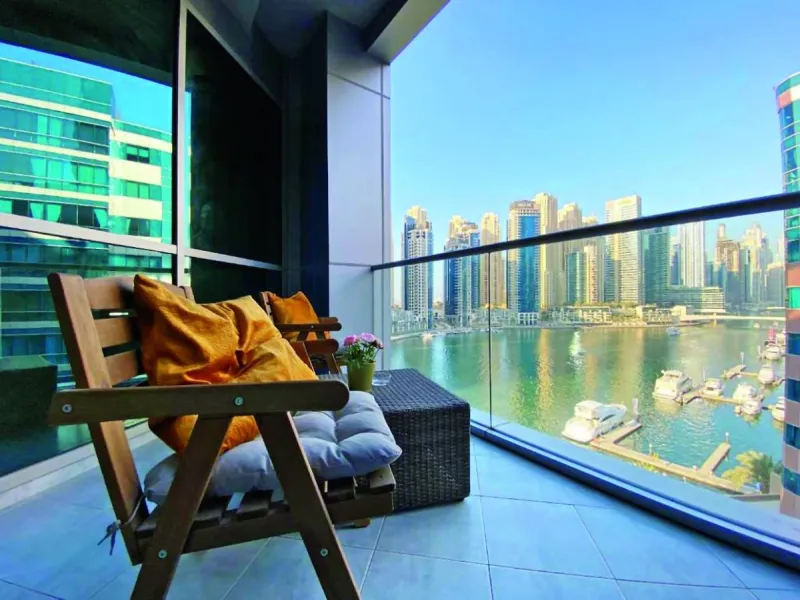
The holiday homes market in the region is experiencing a state of divergence amid seasonal pressures and a slowdown in tourism demand. However, Exclusive Links Holiday Homes has managed to maintain stable performance in Dubai, recording occupancy levels of approximately 70% across its property portfolio.
The regional slowdown is the result of a combination of interrelated factors, most notably the summer season, which typically sees a dip in demand, and a decline in international tourist traffic, alongside cautious travel decisions linked to regional geopolitical tensions, according to industry sources.
Despite these challenges, Dubai's hospitality sector continues to demonstrate its adaptability, as intensifying competition between hotels, resorts, and short-term rental operators has prompted adjustments to pricing strategies and the introduction of promotional offers to sustain occupancy levels, with emphasis on Dubai remaining a safe and open destination for visitors.
In this context, the company revealed a slowdown in bookings via major global platforms such as Airbnb and Booking.com since the end of February, reflecting broader pressures being felt across the short-term rental market.
The sector relies on more than 2,500 operators managing in excess of 25,000 properties, which intensifies competition for guests and pushes companies to diversify their marketing channels and adopt more flexible strategies.
In response to these challenges, Exclusive Links has adopted a proactive pricing policy alongside targeted marketing campaigns, while reinforcing a shift towards direct booking channels through platforms such as Bayut and Property Finder, thereby reducing reliance on global platforms.
Neville Dean Bostert of the company said the market is currently experiencing higher levels of competitiveness, stressing that the priority is to maintain occupancy without compromising guest quality or the long-term value of properties, while noting early signs of a gradual recovery in demand.
The company indicated that one-bedroom apartments continue to deliver strong performance, supported by local demand — particularly from new residents and professionals seeking flexible housing solutions — while two-bedroom apartments have recorded a decline in demand, prompting the company to launch promotional campaigns running through to the end of August.
Market data points to an average price decline of between 10% and 20% during the summer season, depending on location and property type, amid warnings that excessive discounting could affect demand quality and increase operational pressures.
Despite the current challenges, the outlook remains cautiously optimistic, with a recovery in demand anticipated as Dubai's winter tourism season approaches in September and October — traditionally the strongest season for the hospitality sector.