
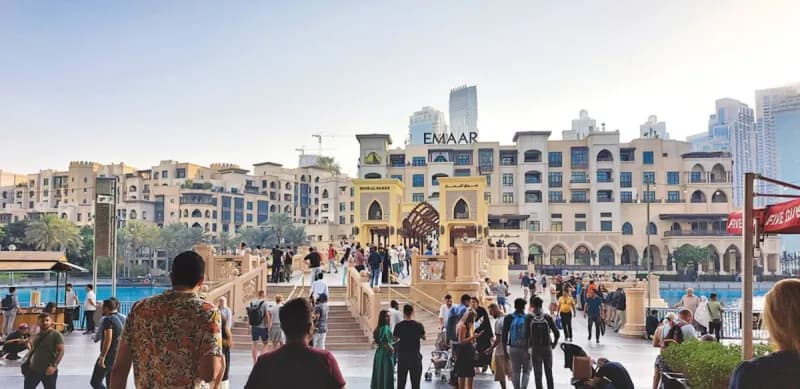
Dubai's luxury hotels are rebalancing their demand structure, with a growing reliance on residents as a key pillar supporting occupancy rates. This has pushed the hospitality sector to expand its marketing tools and promote the concept of "domestic tourism" as one of the drivers of growth.
In this context, five-star resorts in prominent areas such as Palm Jumeirah have regained momentum during weekends and holidays, driven by special offers targeting residents exclusively. This has helped offset part of the decline in international visitor numbers and restored vitality to the luxury hotel sector.
These offers have evolved into an important operational tool for hotels seeking to maintain occupancy levels and achieve operational sustainability, by attracting the residents' segment, which has become an increasingly significant part of the guest base.
Fadi Iskandarani, a doctor residing in Dubai, said he took advantage of discounted offers to spend a weekend at one of the Palm Jumeirah hotels, noting that competitive prices have made the luxury experience "accessible to a broader segment of residents compared to the past."
Entertainment districts and hotel facilities have seen notable activity, particularly during weekends.
These shifts reflect Dubai's move towards diversifying its tourism tools by strengthening the domestic market alongside international tourism, reinforcing the hospitality sector's resilience and reducing the impact of external fluctuations on overall performance.
This approach comes within a tourism environment in which Dubai retains its standing as one of the world's foremost destinations, underpinned by an extensive hotel infrastructure comprising hundreds of hotels and luxury resorts, while marketing policies increasingly target new segments to ensure sustainable growth in the tourism sector.